
BrandShield
Turning complex threat data into clear, actionable decisions
Cybersecurity / Brand Protection
- Cybersecurity
- Complex Systems
- Data Heavy UX
- Product Design
- System Analysis
Overview
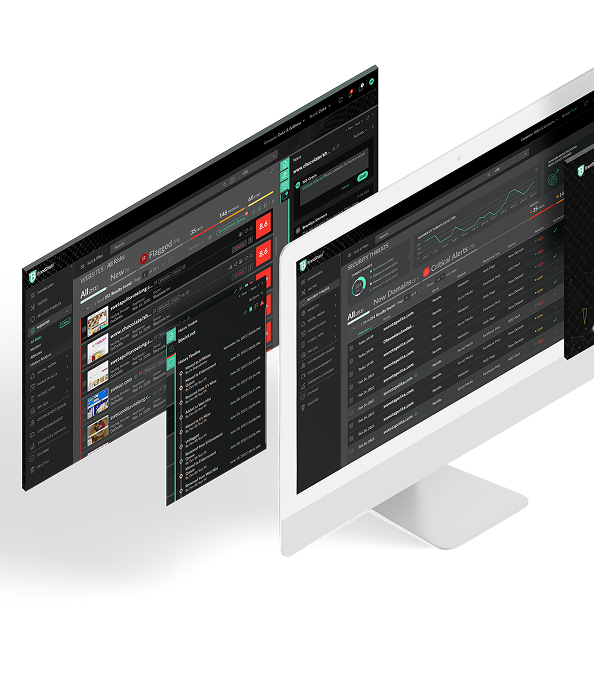
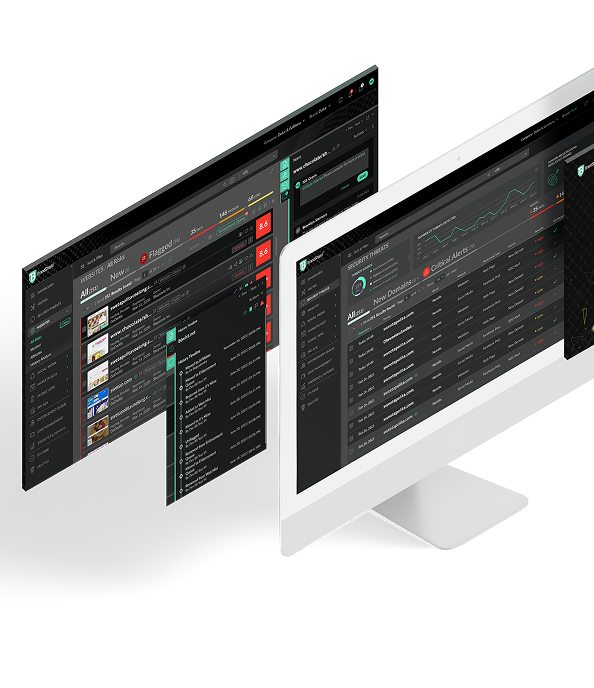
BrandShield is a brand protection and online threat detection platform. Its users work through large volumes of detections, alerts and evidence every day.
ZingUI worked with BrandShield as a long term product design partner through successive stages of the platform's evolution.
The Challenge
Cybersecurity platforms expose users to large volumes of threats, alerts and data. The challenge was to make complex information easier to understand, investigate and act on.
Volume alone is not the problem — the problem is helping an analyst decide, quickly and confidently, what deserves attention next.
The Solution
A long term product design partnership covering the evolution of BrandShield's platform, including product flows, information architecture, complex system UX, prototyping and visual design.
The work concentrated on the investigation journey: how detections are surfaced, grouped, prioritized, reviewed and escalated.
The Approach
Product Strategy
Aligning the platform experience with how the product is evaluated and sold.
System Analysis
Understanding detection data structures and the analyst workflows built around them.
Functional Architecture
Organizing information architecture across detection, investigation and enforcement.
UX
Data-heavy interface design for high-volume tables, alerts, evidence and case views.
Prototyping
Interactive flows used to validate complex interactions before build.
The Impact
The redesigned platform created a clearer and more coherent product experience while supporting BrandShield's evolving product and sales process.
What We Learned
- In alert-heavy products, trust is a design outcome. If users can't see why something was flagged, they stop acting on it.
- Clarity in complex systems comes from hierarchy and defaults, not from hiding information.
Understanding the domain
What makes cybersecurity interfaces hard to design?
Security products combine high data volume, uncertainty and time pressure. Users must judge partial evidence quickly, often across hundreds of items.
Good design in this context means prioritizing well, exposing the reasoning behind a detection and making the next action obvious — not simply displaying more data.